
Blog
Why the Skilled Trades Are Critical to America’s Future
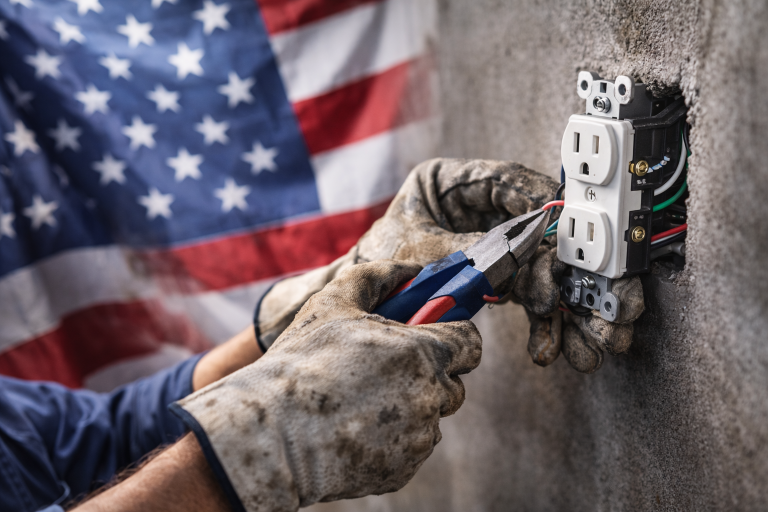
The skilled trades aren’t just jobs — they’re the foundation of daily life in the United States. From the electricity that powers our homes to the plumbers who keep our water flowing, skilled tradespeople make modern society possible. Without them, basic infrastructure — safe homes, stable power, clean water, and reliable transportation — would falter.
Skilled trades cover a wide range of essential roles, from electricians and welders to HVAC technicians and aircraft mechanics. These workers ensure our communities are functional, safe, and well‑maintained. In fact, construction alone accounted for significant portions of the U.S. GDP, highlighting how much of the economy depends on trades expertise.
Yet as demand remains high, the supply of qualified workers is shrinking. Aging workforces and fewer young people entering the trades have created a widening gap between job openings and skilled workers available to fill them. Addressing this gap is crucial — not just for the economy, but for everyday life.
Bottom line: Skilled trades are indispensable. They keep America running, and investing in these careers means securing the infrastructure and services everyone depends on.
The Skilled Trades Shortage: What It Means for the Next Generation
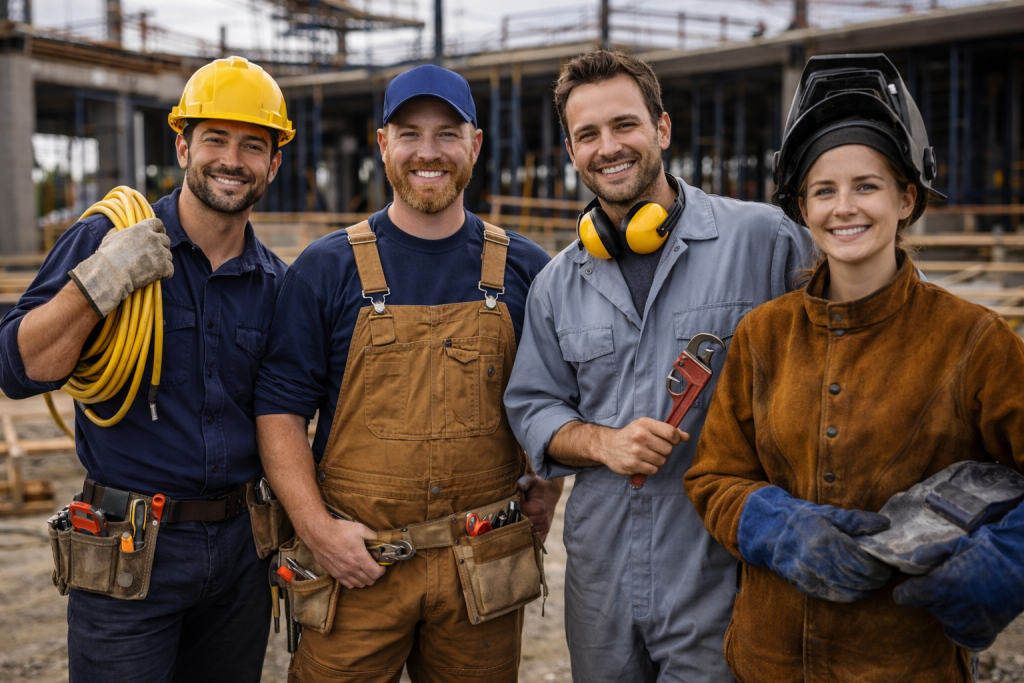
Across the U.S., industries from construction to manufacturing are facing a severe shortage of skilled trades workers. Experienced professionals are retiring faster than new talent is entering the workforce — and this gap is only growing.
This shortage isn’t just a statistic; it has real consequences. Projects take longer to complete, costs rise, and companies struggle to find the talent needed to keep operations running smoothly. In construction alone, hundreds of thousands of positions remain unfilled, slowing growth and driving up labor costs.
One key reason for the shortage is cultural: many young people are still steered toward four‑year degrees, even as the trades offer competitive salaries, quicker entry into the workforce, and strong long‑term demand.
But for those willing to step into these roles, the opportunities are significant. Trades careers provide job security that is resistant to automation, competitive wages, and paths toward entrepreneurship or business ownership.
In short: The trades shortage is creating opportunity — especially for the next generation seeking stable, meaningful work.
How Skilled Trades Support a Strong Economy
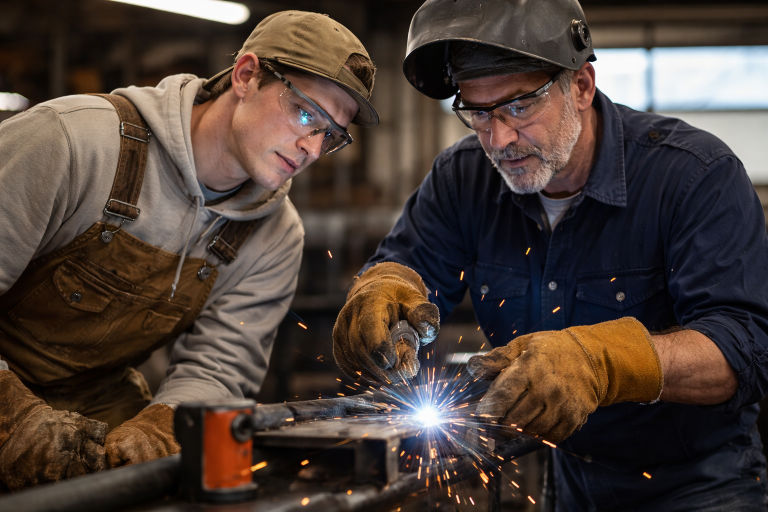
The skilled trade workforce plays a vital role in economic health. Careers in electrical work, plumbing, HVAC, machining, and beyond are essential not just for completing construction projects, but for maintaining the systems that keep businesses and communities thriving.
Without skilled tradespeople, infrastructure like bridges, homes, and utility systems would be unsafe or nonexistent. Skilled workers help ensure everyday essentials — like heating systems, safe buildings, and reliable electrical networks — continue to function reliably.
These careers also provide an accessible pathway to financial stability. Many trades require significantly less training time than a traditional college degree, meaning workers can start earning sooner and enter the workforce without excessive student debt.
Moreover, as industries evolve with technology — from renewable energy systems to advanced manufacturing — trades careers are adapting too, offering opportunities that require creativity, problem‑solving, and technical skills.
Takeaway: Skilled trades don’t just support infrastructure — they fuel economic growth and provide valuable, long‑lasting career paths.
Bridging the Skilled Trades Gap: What Must Happen Next
The current skilled trades gap won’t fix itself. As older workers retire and fewer young people enter the field, employers and communities are looking for solutions to build a sustainable workforce.
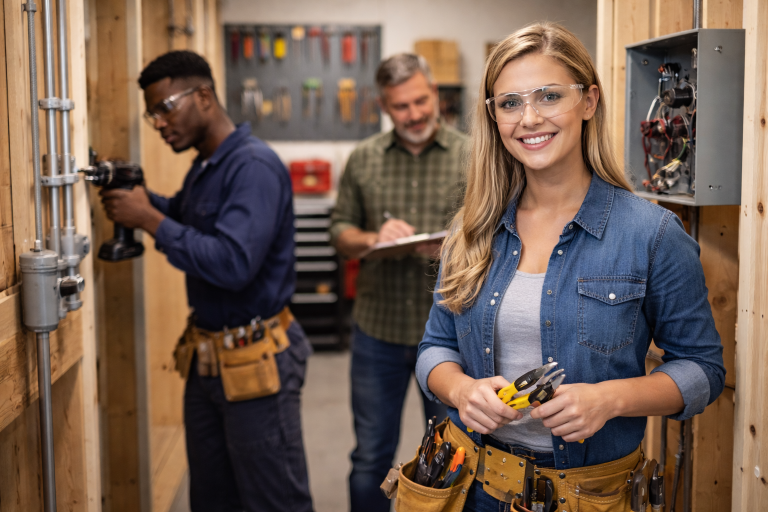
Solutions start with education. Schools, industry leaders, and policymakers need to promote trade career paths earlier — helping students understand the opportunities and benefits of hands‑on careers. Apprenticeships, vocational programs, and partnerships between employers and educators can help new workers develop the skills they need.
There are also efforts to improve the perception of trades work, emphasizing that these careers offer high levels of responsibility, competitive wages, and paths to leadership or self‑employment.
Finally, support for training and upskilling ensures that today’s workforce can adapt to technological changes, whether that means advanced manufacturing tools or new energy systems.
Final thought: Solving the skilled trades gap requires collaboration — but the payoff is a stronger economy, thriving communities, and fulfilling careers for future workers.